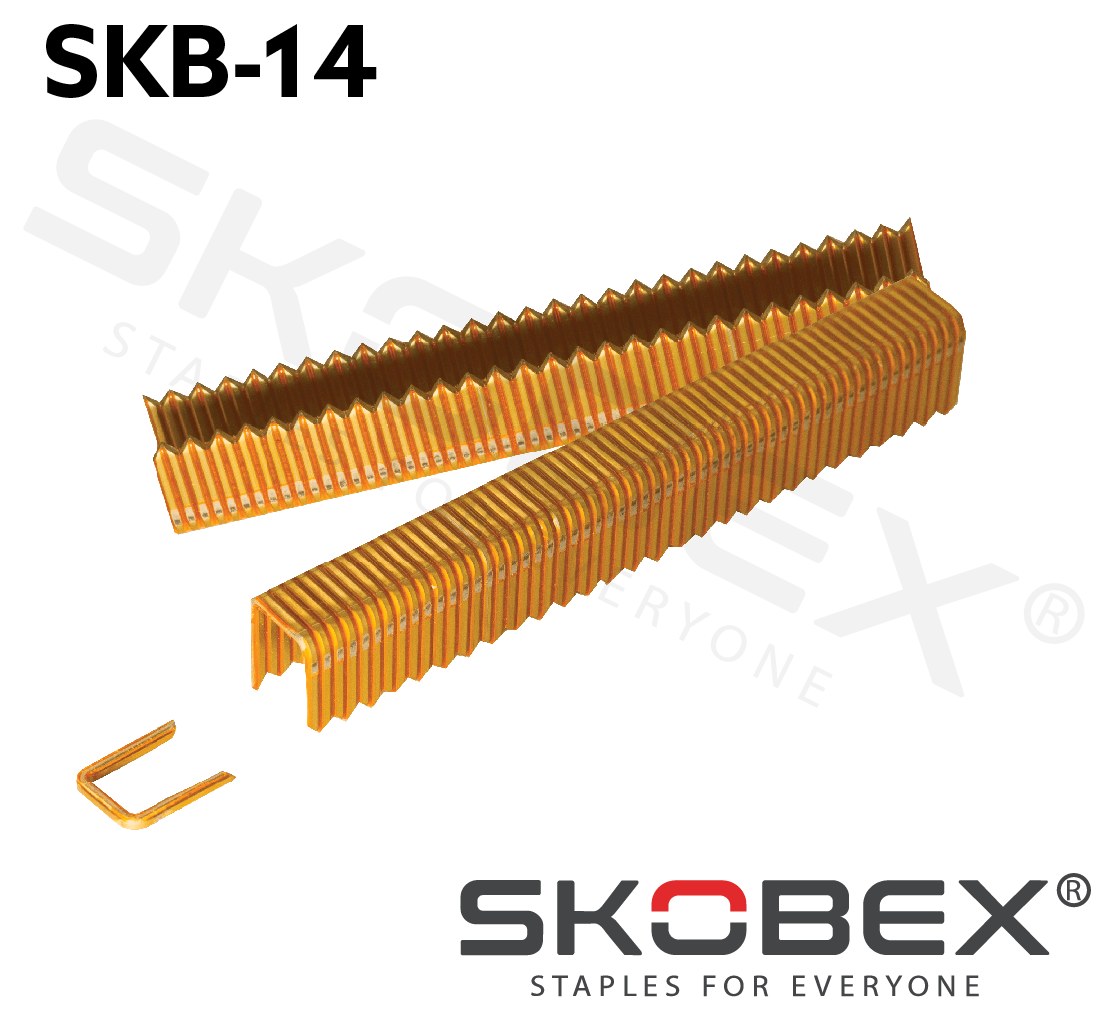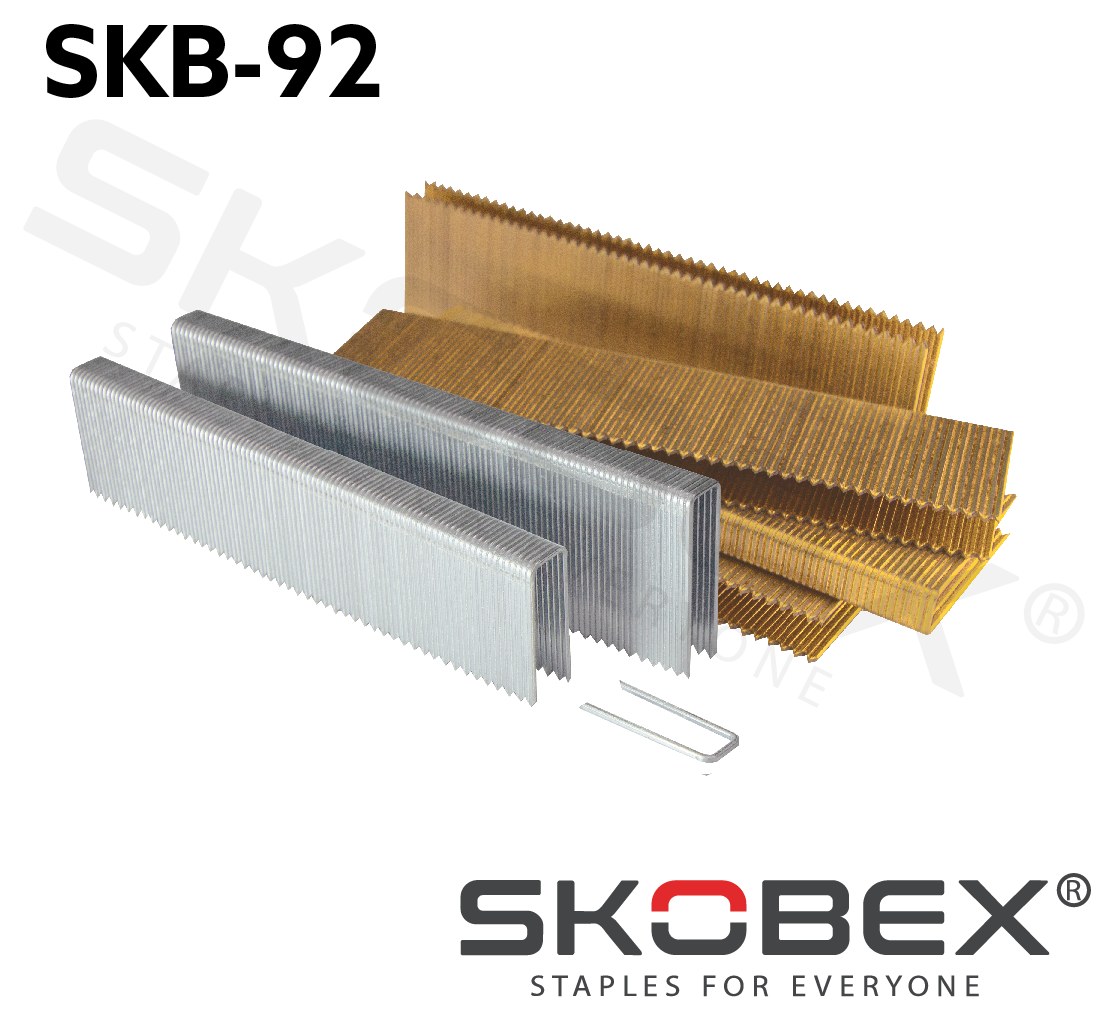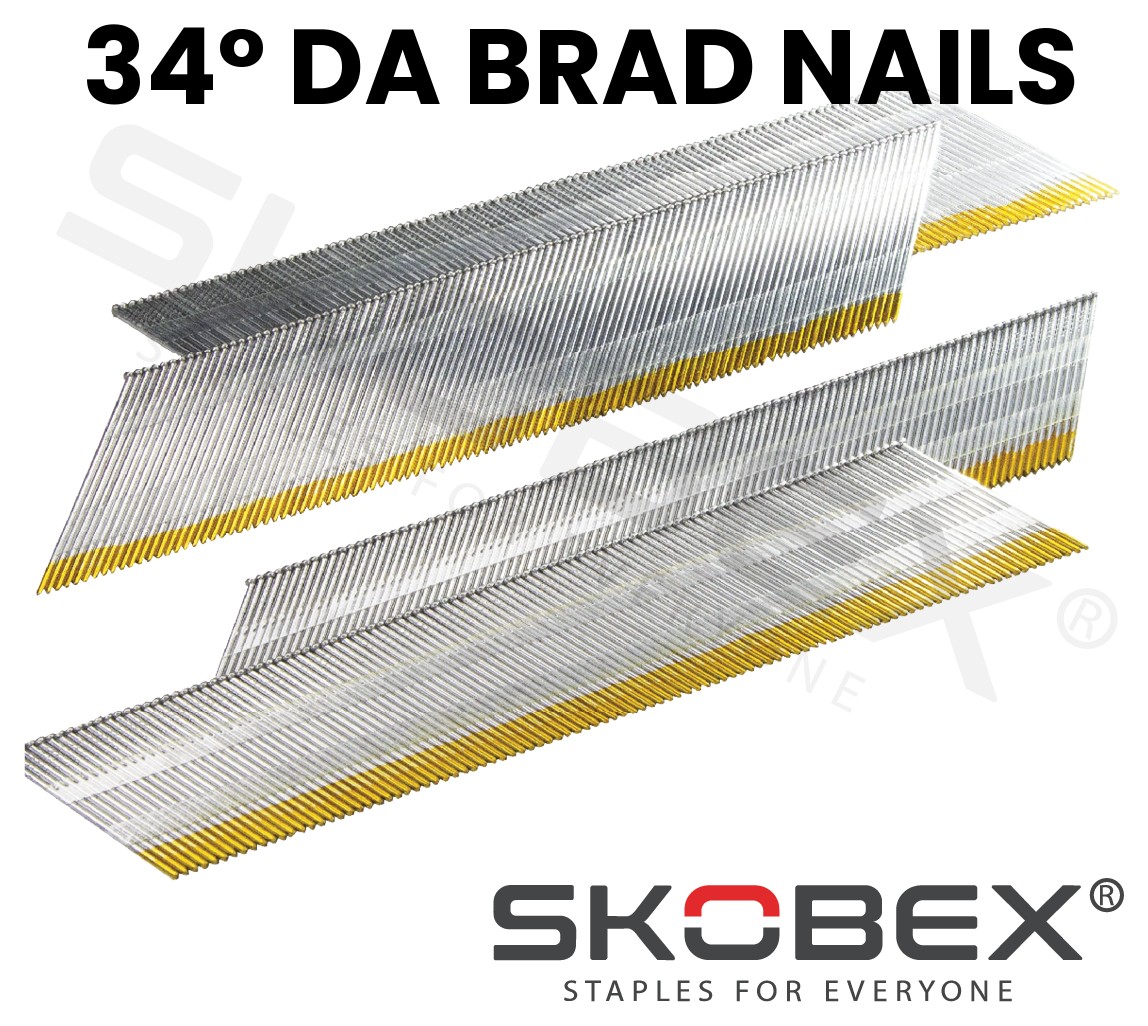
Compare codes, quantities, labels and dimensions with the approved order. A clear incoming-goods process for staples and other fasteners.
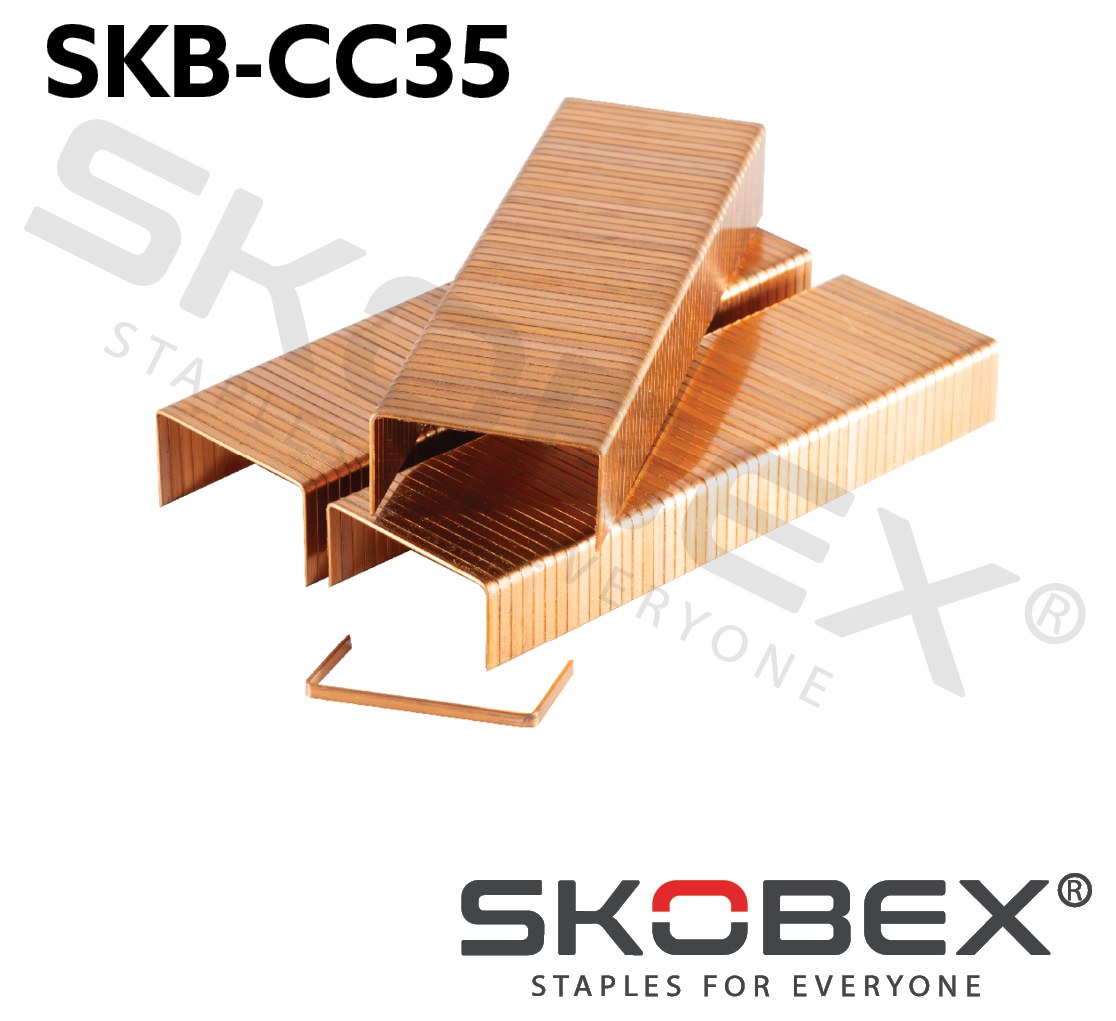
Incoming-goods checks should start with the approved order, not with whether the boxes look familiar. A consistent process separates quantity, identification and product-specification questions. It also leaves a useful record when a particular shipment needs to be found or a repeat delivery compared later.
Check documents and packages first
Compare the purchase order, shipment documents, package count and visible condition. Keep the number of boxes separate from the number of individual fasteners. If the order contains several lengths or models, check each line independently. Photograph damaged or unclear packaging before separating its contents, so the original condition and labels remain available.
Retain product and batch identification
Record the model, length, supplier code and available batch or lot designation. GS1 traceability principles distinguish product identity from an individual batch. That distinction remains useful in a simple internal system: the same product code may arrive in several different batches. The link between the delivery and its label should remain clear after goods are moved into storage.
Compare with the approved specification
Use the document version referenced in the purchase order. Check staple crown, wire and length according to the agreed receiving procedure. Use the appropriate fields for C-rings, L-cleats or wire band rather than applying a staple checklist unchanged. Compare any agreed colour or finish with the order description, not only with an image displayed on a screen.
Describe differences precisely
Instead of reporting “wrong staples”, state the parameter, the required value and the observation. Include the package label, a clear photograph and the measurement method where relevant. Handle an unclear delivery according to your warehouse procedure until its status is resolved. This avoids mixing different variants merely because their packaging looks similar.
Keep a short receiving record
- Date, purchase order, shipment and person carrying out the check.
- Product code, quantity and batch information.
- The specification version and inspection outcome.
- Photographs of differences and the agreed next action.
The record need not be complicated. Its purpose is to connect the delivered goods with the agreed requirement and make a later question easy to investigate. Use the catalogue to identify the product, then use the purchase order to assess the particular delivery. For a specification comparison, send the label and a precise description of the difference.