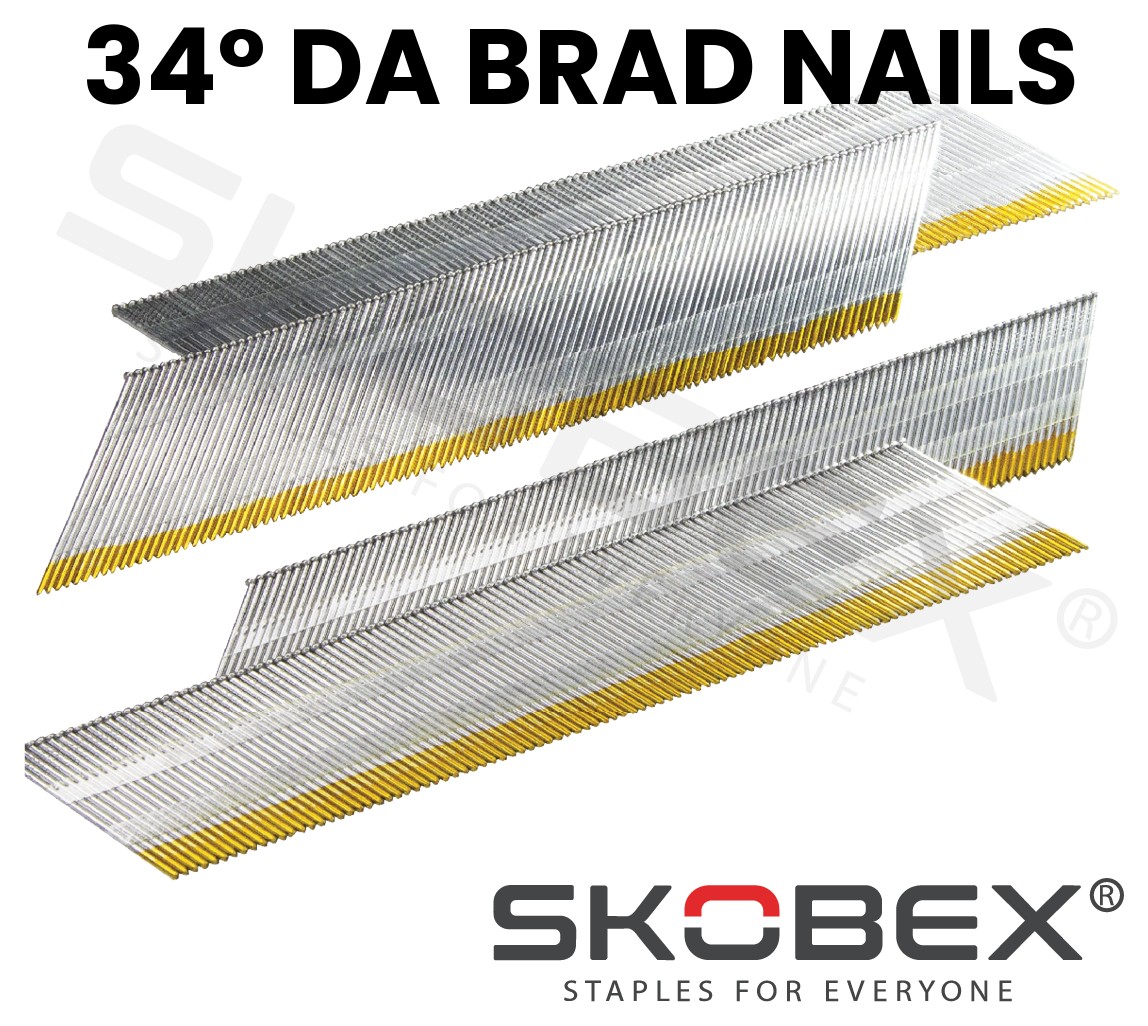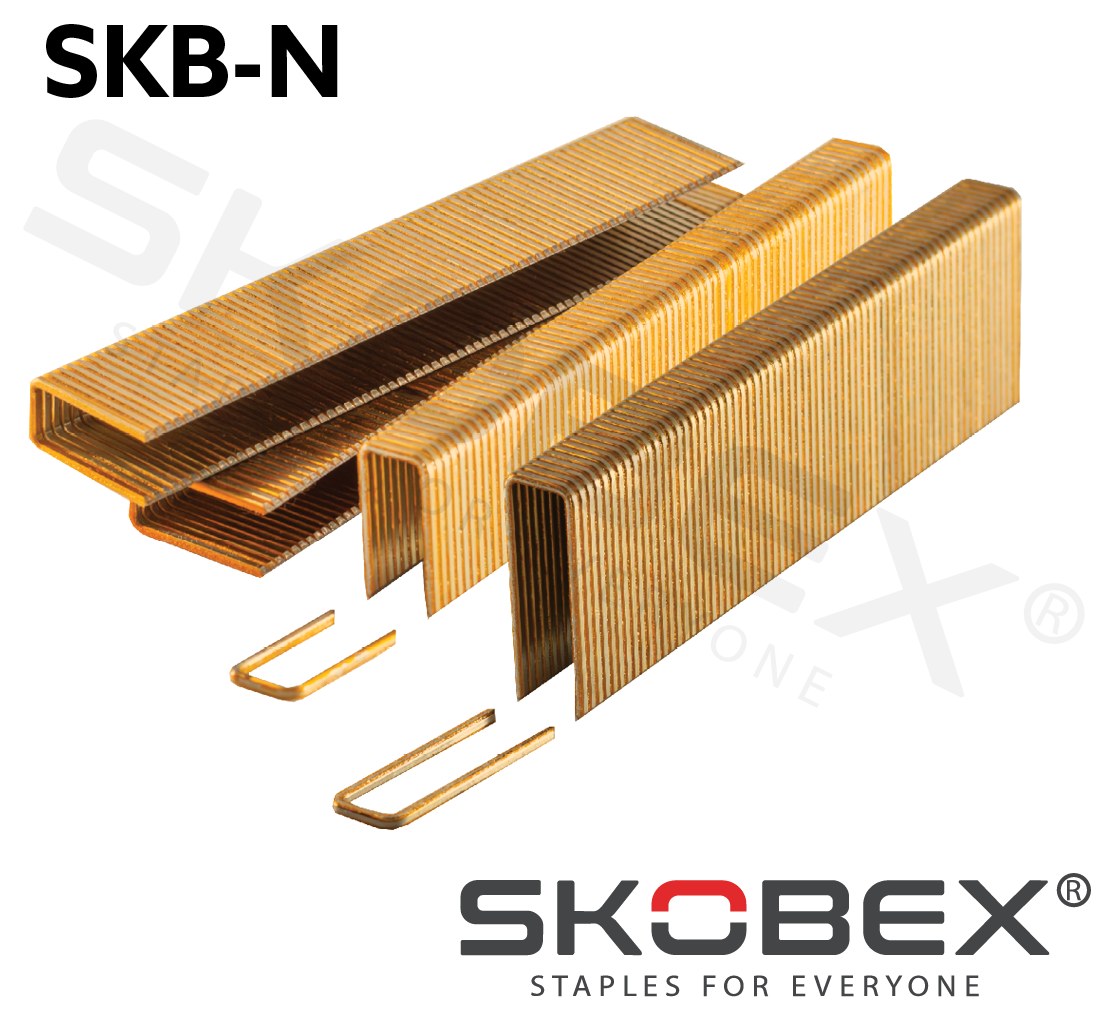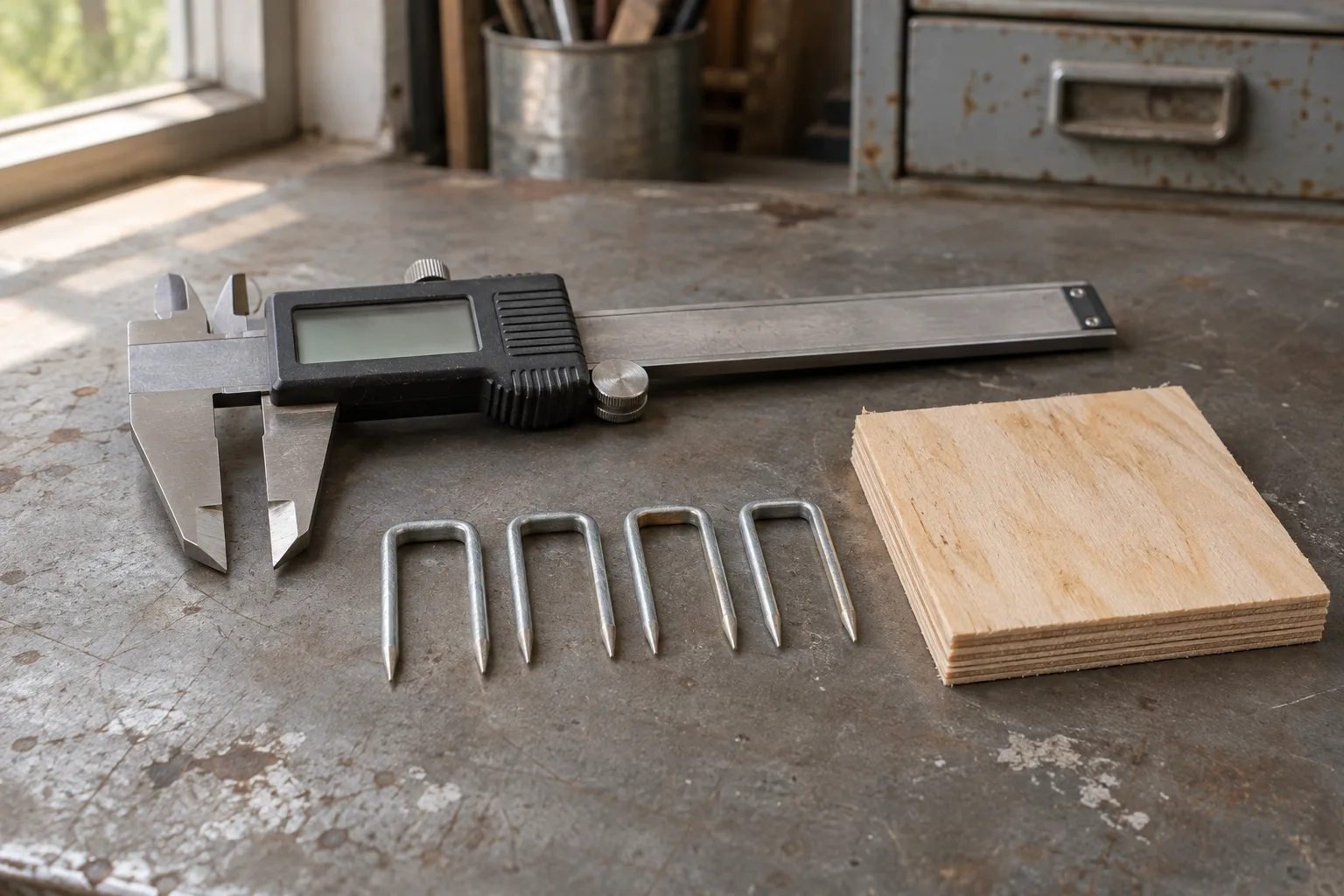
Prepare one clear enquiry covering product, dimensions, tool, quantity, documents and delivery. A practical format for production buyers.
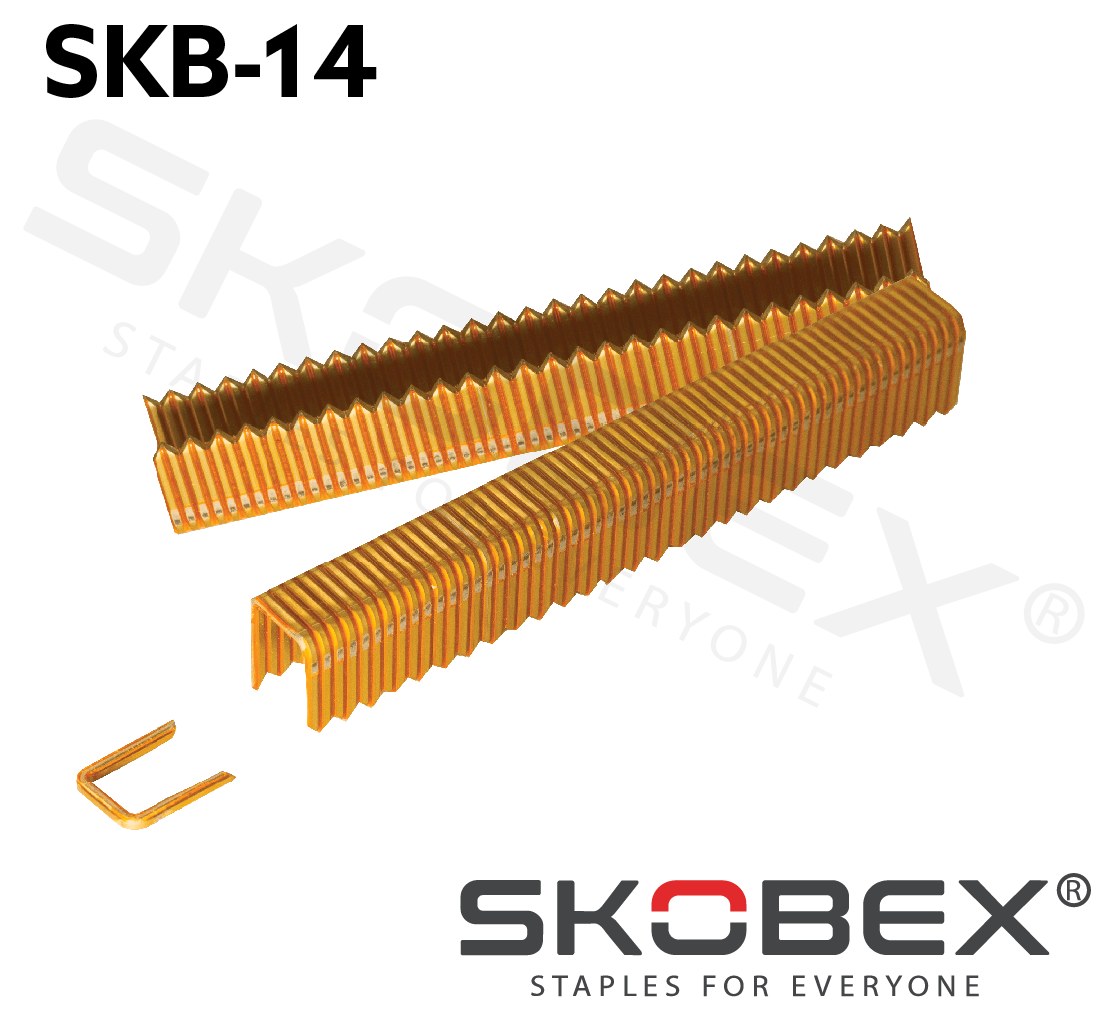
A good enquiry lets a supplier check a specific requirement rather than infer it from a short product name. It does not need to be a long document. A consistent one-page format can separate technical information from purchasing requirements. Mark unknown fields clearly and include the labels or samples already available.
Block one: product and application
State the proposed model or existing fastener code. For U-shaped staples, give crown width, wire section and each required leg length. Use the appropriate family fields for C-rings, L-cleats and wire band. Avoid combining several unconfirmed alternatives into one purchase line; list them as separate candidates so the differences remain visible.
Block two: equipment and materials
Record the complete tool model, material type and thickness. Include an old package label or drawing where available. Manufacturer catalogues include fastener characteristics alongside series names because a name alone may not identify the exact variant. Add a brief description of the application and the issue you are trying to resolve.
Block three: quantity and supply format
Separate the sample quantity, quantity for one order and expected repeat demand. Specify whether you are counting individual fasteners, boxes, weight or another agreed unit. If pack size matters to the warehouse or production line, include it in the requirement. State the delivery location and requested date separately from the technical product fields.
Block four: documents and acceptance
Identify any required labels, batch information or material documents. If samples will be evaluated, state the trial’s purpose and who will assess the result. Once approved, connect the sample specification to the purchasing code. This makes repeat ordering easier when a different person takes over the task or when packaging descriptions change.
An example enquiry line
“Model L, 5.70 mm crown and 1.25 × 1.05 mm wire; required length to be agreed separately; tool: full model number; application: the stated material combination; initial samples required; order quantity and delivery address listed separately.” Replace the example fields with actual requirements, and identify any that still need confirmation.
Before sending, check that every attachment has a clear name and version. A label photograph can establish the starting point, while a drawing or approved specification explains the required result. Find the model in the catalogue and send one clear enquiry so that your purchasing team and the supplier work from the same record.
Sources
- 2026 Product Catalogue — SENCO