Align millimetres and inches, complete product codes, quantities and shipping details. A practical format for international purchasing enquiries.
An international enquiry works best when buyer and supplier describe the same product in the same way. Different measurement units, regional series names and package sizes can cause confusion even when both sides are discussing similar staples. A clear technical specification and a separate shipment-information section reduce those ambiguities.
Choose the controlling measurement unit
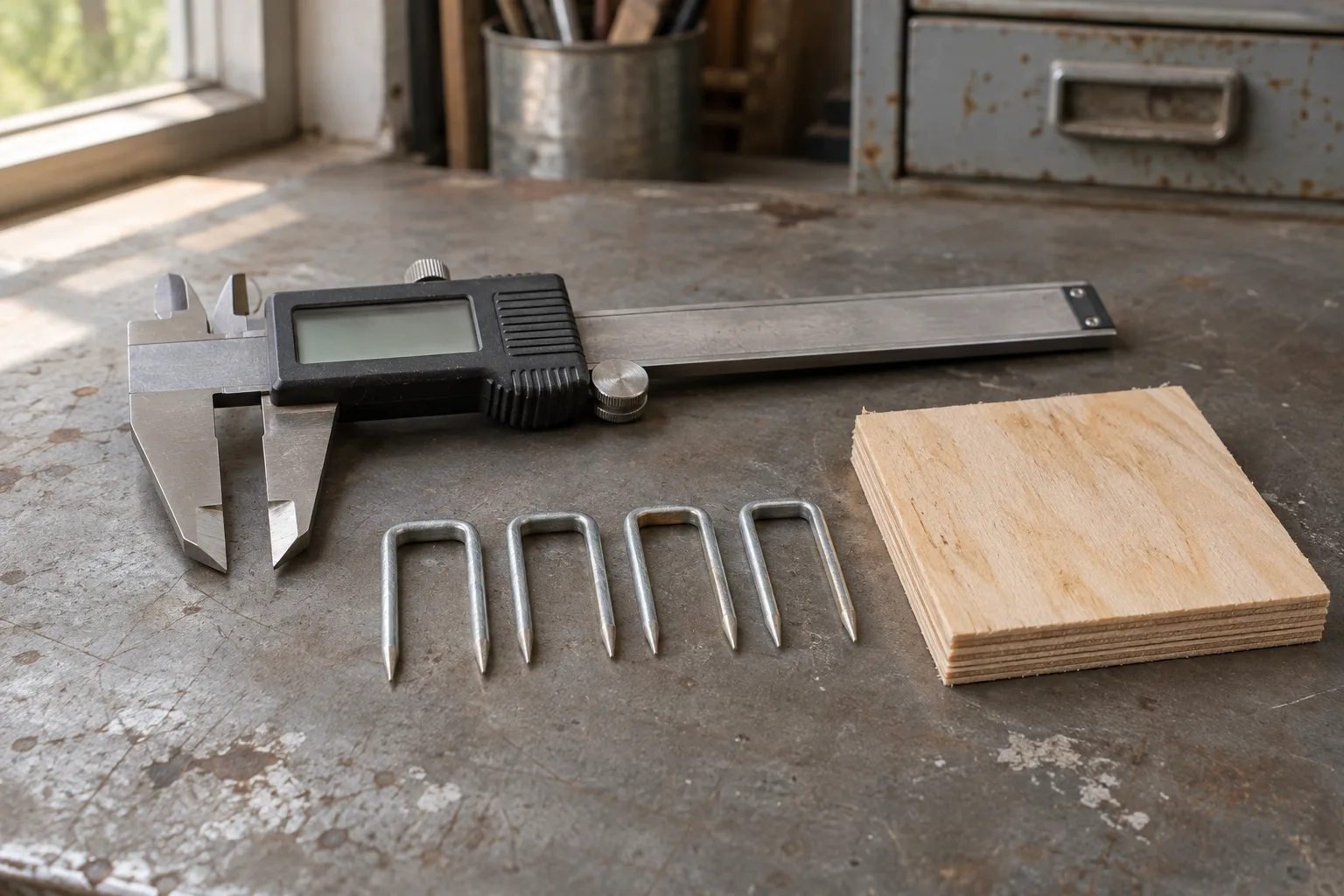
State whether the product is specified in millimetres or inches. Provide the other unit as an agreed secondary reference. NIST explains that one inch equals exactly 25.4 mm, while catalogue fractions may be nominal counterparts. Identify which value controls the specification and how rounding is treated instead of assuming that two differently presented numbers are identical.
Describe the complete fastener
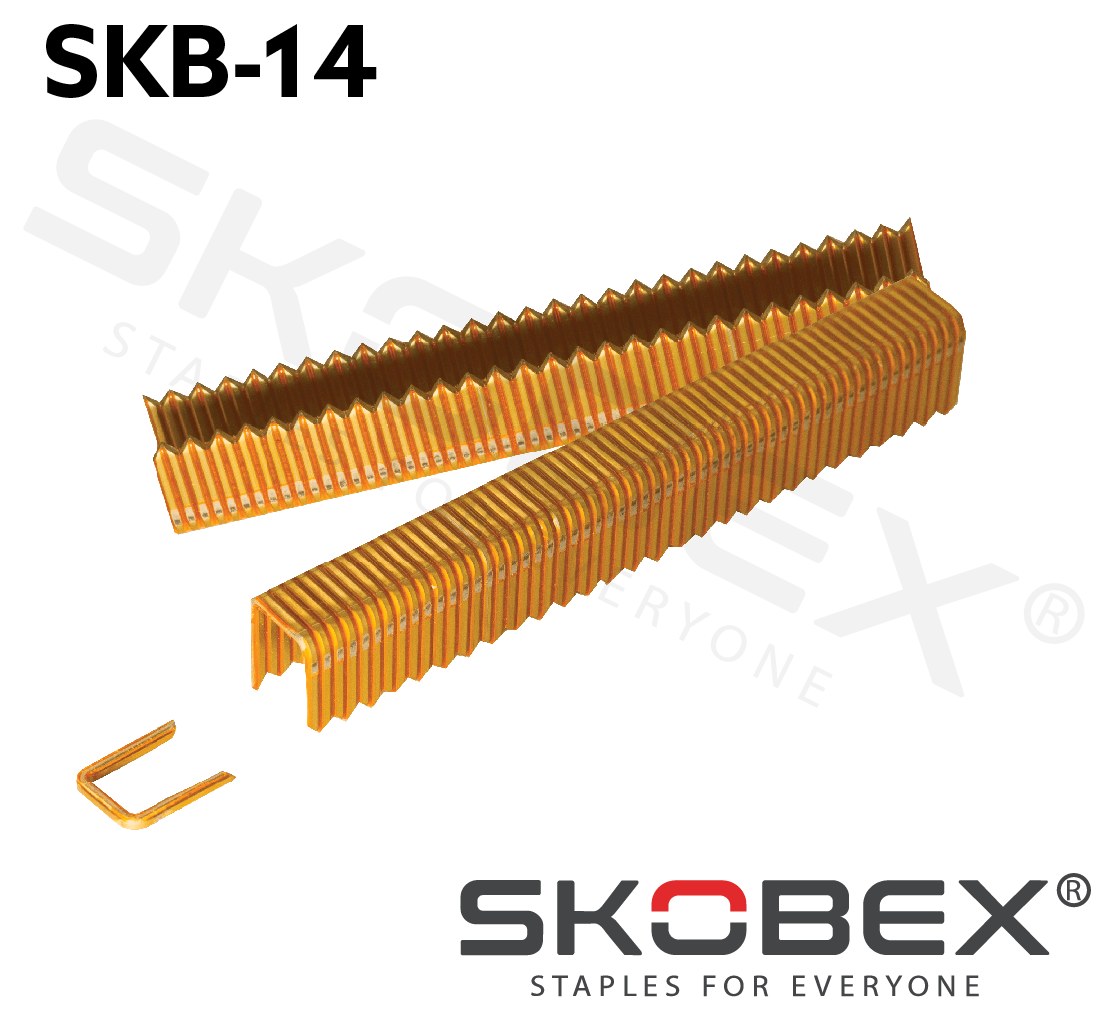
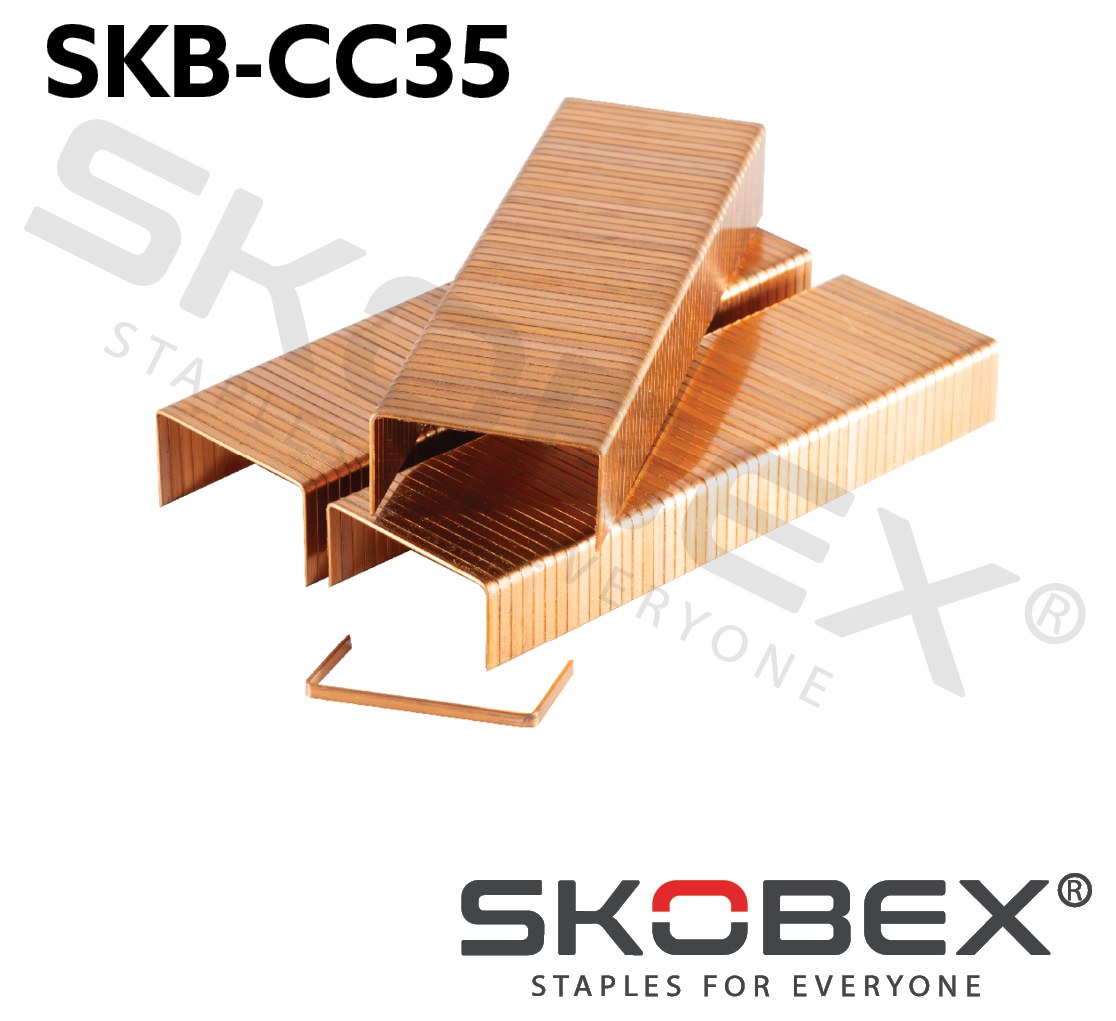
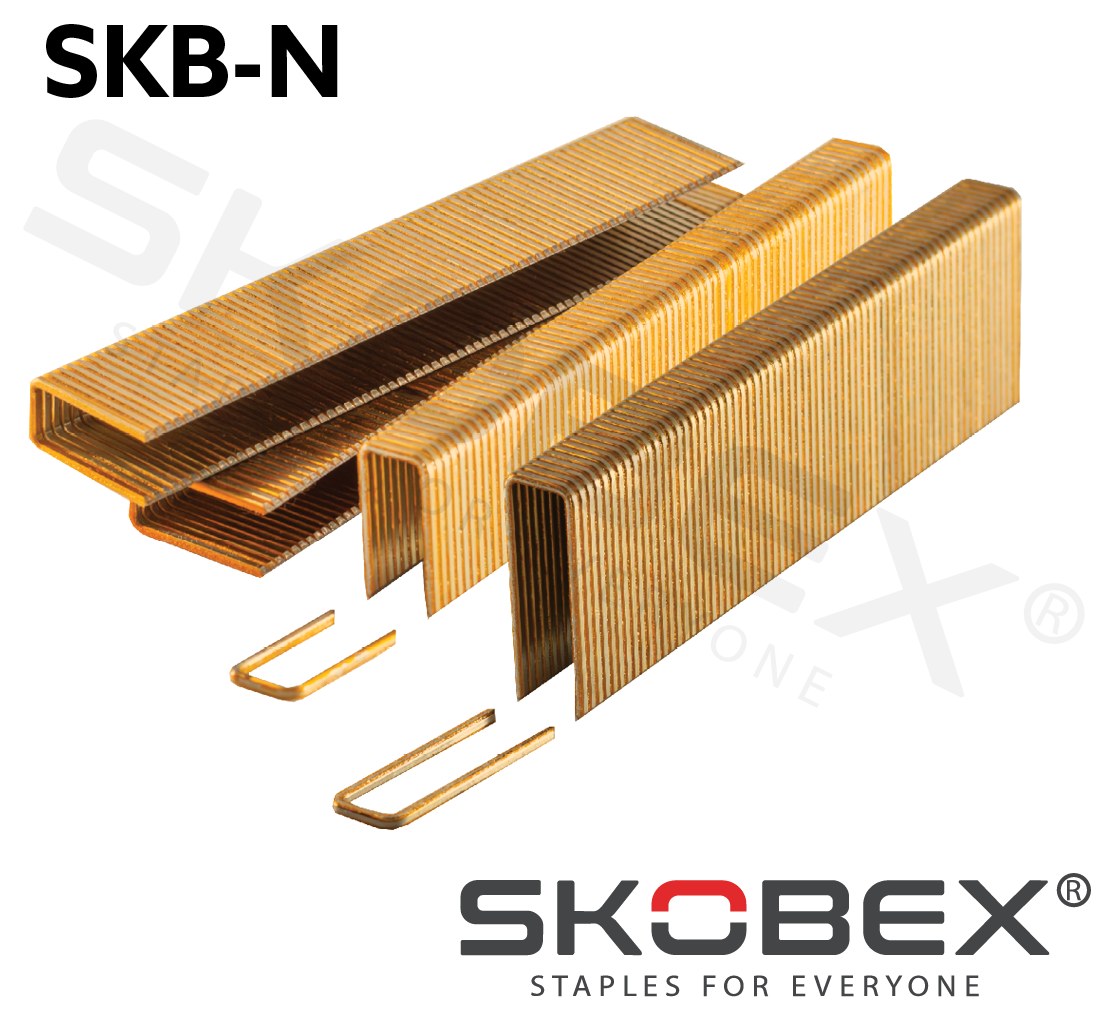
Include the code, crown, wire section, leg length and required finish. A local competing-brand series name may help the initial search, but should not be the only definition of the purchased item. Provide the appropriate drawing and parameters for C-rings, L-cleats and wire band. Give the specification a clear version so that both teams can identify the approved document.
Separate quantity from the packing unit
State whether demand is measured in individual fasteners, boxes, weight or another agreed unit. If quotations are needed for several quantities, list them on separate lines. Provide the destination country and delivery location, requested date and packing requirements. This makes it possible to compare quotations against the same request rather than against different assumptions about the order.
Discuss shipment documents early
The International Trade Administration’s overview of common export documents recommends checking shipment-specific requirements with the customer or freight forwarder. At quotation stage, discuss document language, goods descriptions, packing information and any other records required by the receiving party. The precise requirements depend on the shipment and destination; the word “export” does not define a complete document set.
Retain the approved sample
For a first order, agree whether a trial quantity is needed before the larger purchase. Keep the accepted sample with the final specification and use both for repeat orders. If the code, length, finish or packaging changes, record that change explicitly so that it is not hidden inside a familiar product name.
A strong initial enquiry therefore combines a clear product identity with practical delivery information and a list of unresolved questions. You can send the details in Lithuanian or English. Review the Skobex models and send your product and delivery requirements to begin with the same information on both sides.
Sources
- Engineering Metrology Toolbox: inch definition — NIST
- Common Export Documents — International Trade Administration