Compare furniture staples, BR12 and DA brads. Check the tool, workpiece and representative sample before ordering finishing fasteners.
Two joinery operations can look similar while requiring different acceptance criteria. Attaching a trim strip is not the same task as making a furniture-frame connection. The phrase “furniture staples” is therefore too broad for a repeatable order. Link the product code to the exact tool, workpiece and approved trial. The process below turns a general requirement into information that production and purchasing can both use.
Describe the role of the joint
State which components are connected, where the crown remains and what happens after fastening: upholstery, finishing, handling or another production step. Identify whether the fastener temporarily locates a part or contributes to the final joint. This article does not establish connection capacity. Where capacity matters, the product designer must define the requirement and an appropriate method of assessment.
Compare complete model specifications
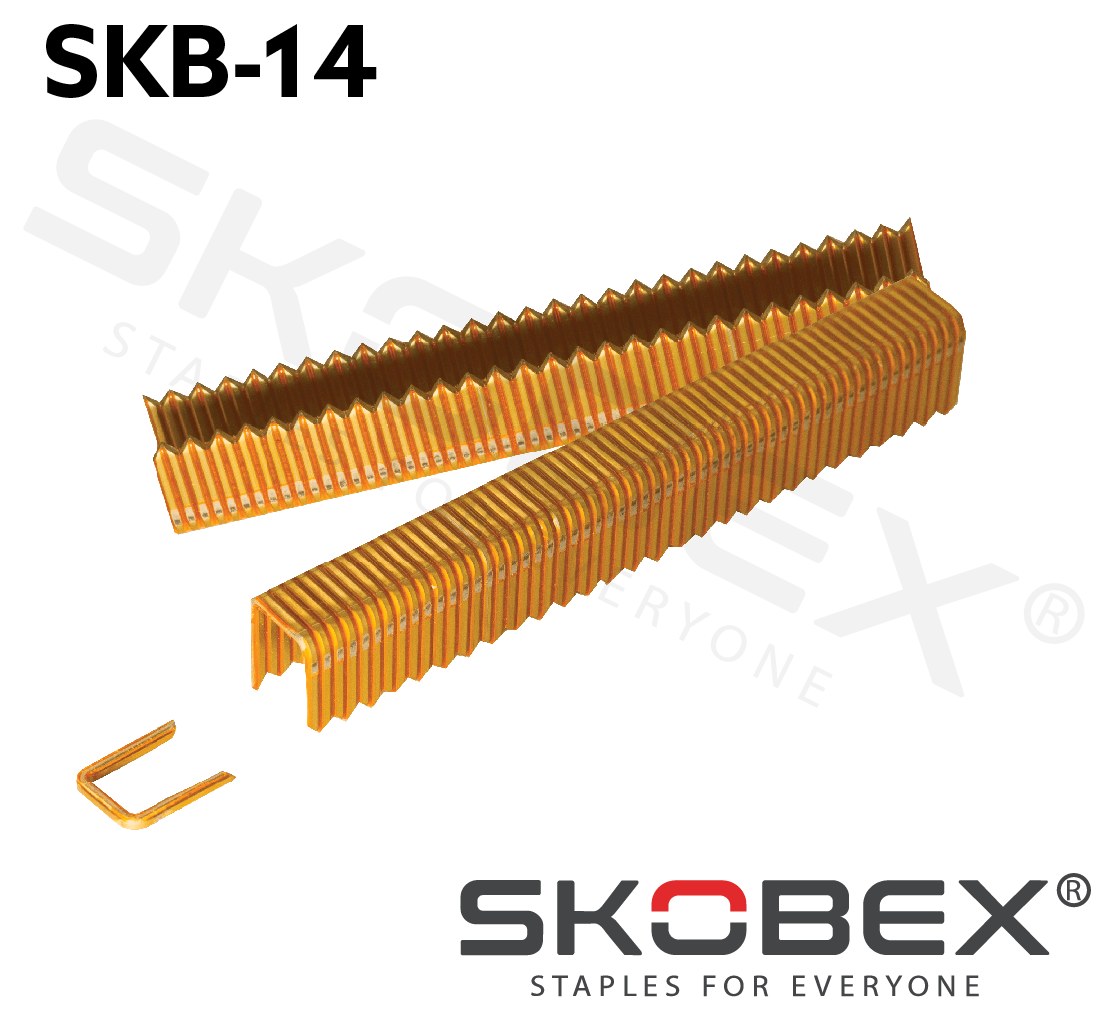
The latest table lists L and 92 as medium-wire staples: both have 1.25 × 1.05 mm wire, with crowns of 5.70 and 8.70 mm respectively. In the heavy-wire group, Model 14 has a 10.50 mm crown and Q an 11.20 mm crown; their wire sections also differ. These are distinct codes with their own specifications, not renamed earlier products or confirmed equivalents.
Keep different workpieces distinct
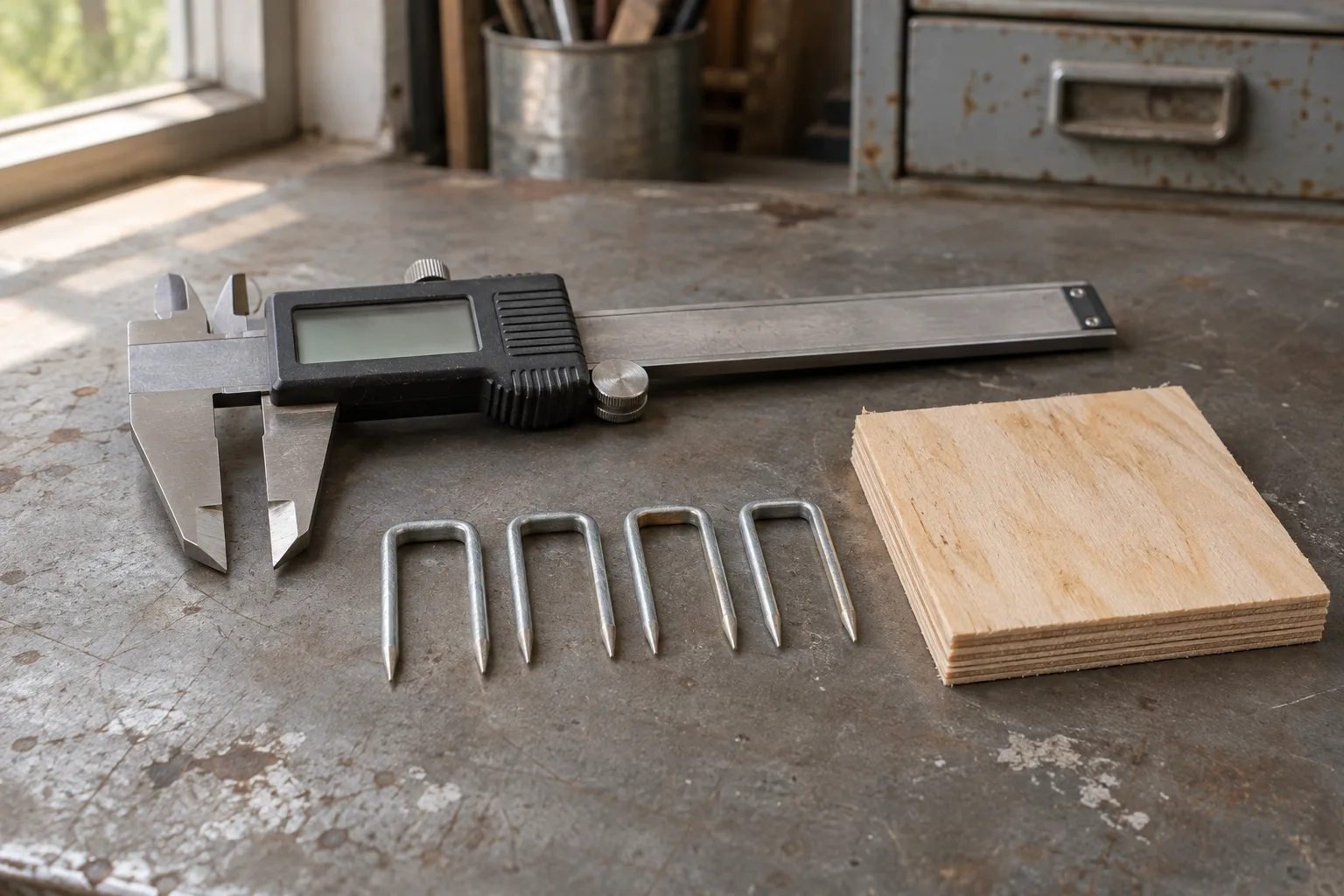
Record substrate material, its condition and the thickness of both components. If production uses different boards or wood species, identify them separately in the trial record. Note edges, joints and visible surfaces. This makes it possible to decide whether a later workpiece matches the accepted case or needs a new assessment, instead of transferring an old result to a materially different assembly.
Select length alongside the other parameters
The latest Skobex table does not provide a length range. State the required length and surface requirements separately, and compare the supplied crown and wire with the tool instructions. The BOSTITCH medium-duty catalogue is a general example of keeping those parameters separate; its variants do not confirm Skobex availability.
Define what acceptance means
Before the trial, decide what will be observed: component position, visible finish, workpiece damage and any requirements specific to the joint. Record accepted and rejected candidates with their exact codes. Avoid a note that only says “suitable” without identifying the workpiece and criterion. Such a note cannot reliably explain a purchasing decision when the people, materials or tool setup change months later.
Treat finishing brads as a separate family
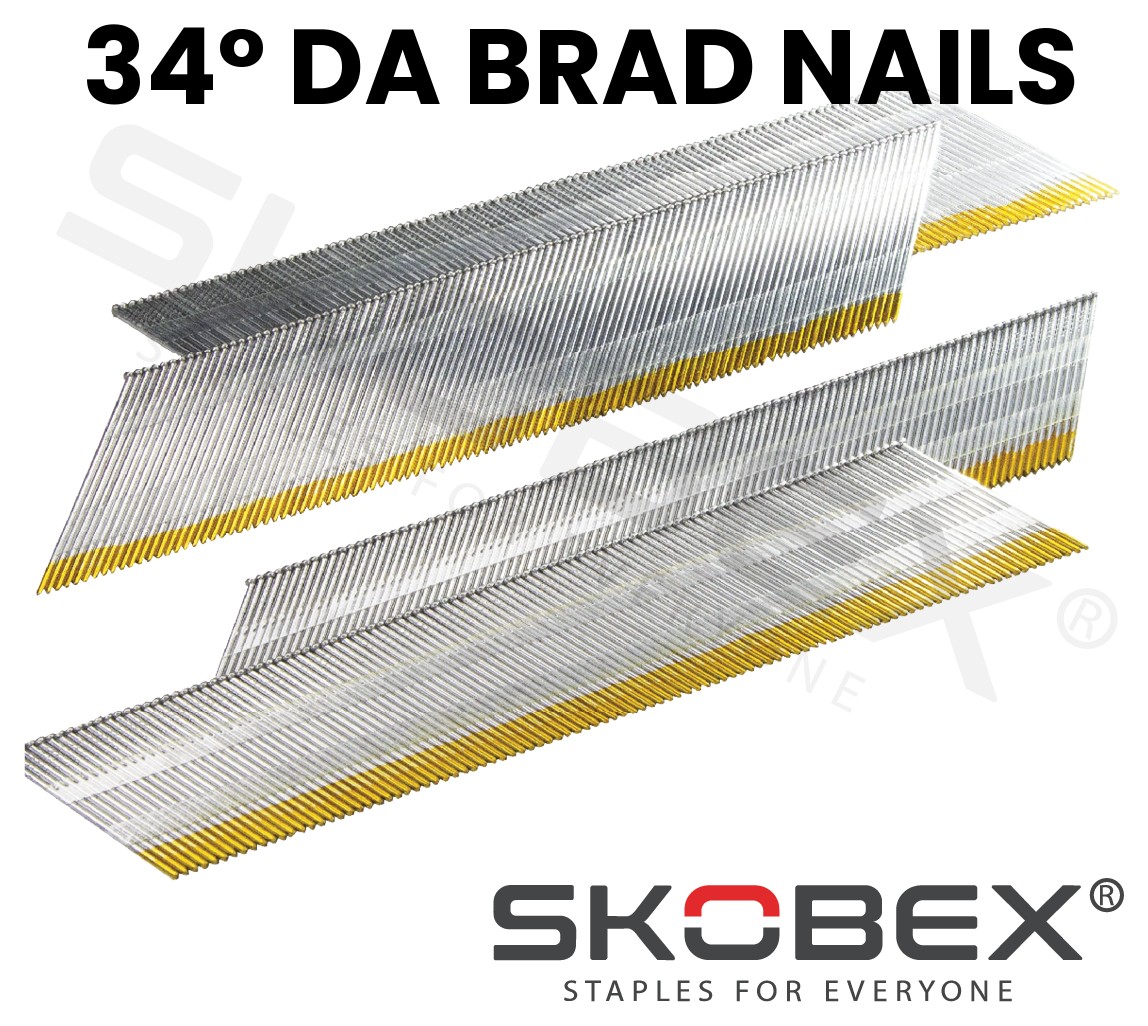
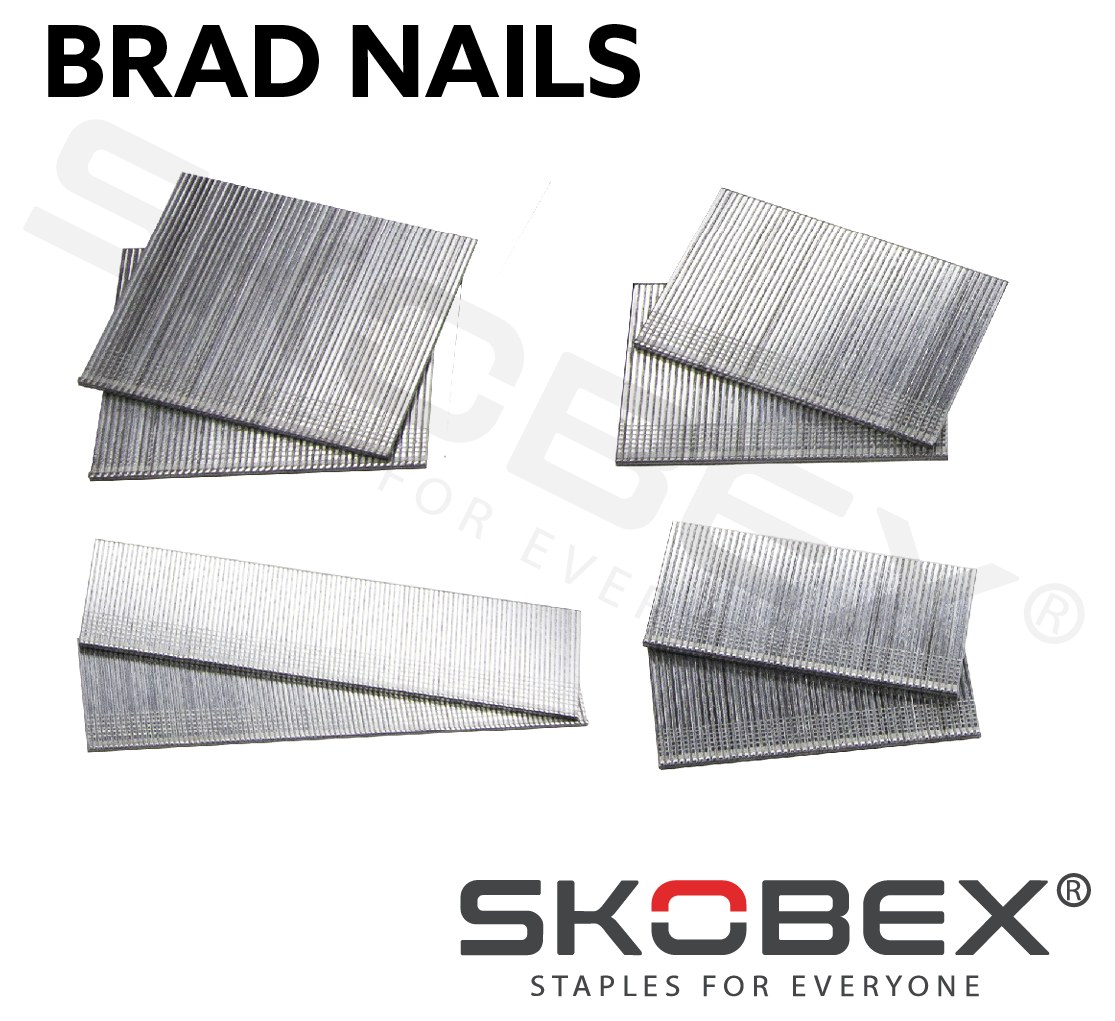
The updated Skobex table lists BR12 brads for decorative strips, frames and other finishing work. BR12 is described as 18 GA, with 1.25 × 1.00 mm wire; state the required length in the enquiry. DA Brads is listed for angled nailers at 34°, with 15 GA, 1.76 × 1.76 mm wire and a 3.20 mm head. Lengths are not supplied, so confirm the specific variant and availability in your enquiry. These are separate candidates, rather than staples or automatically interchangeable products. Give the complete tool model and the required finishing result in your enquiry.
Review the supplied data for L, 92, 14 and Q. Include the exact tool and workpiece in the enquiry. Compare each candidate by its own code and dimensions, rather than treating it as an assumed replacement for an earlier model.
Sources
- Medium Duty Staples — BOSTITCH